
About Maria Valtorta
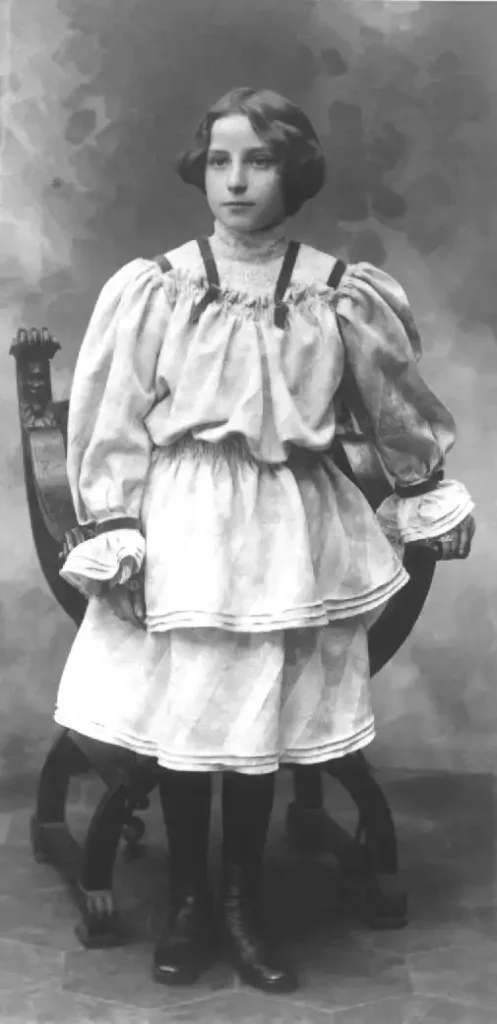
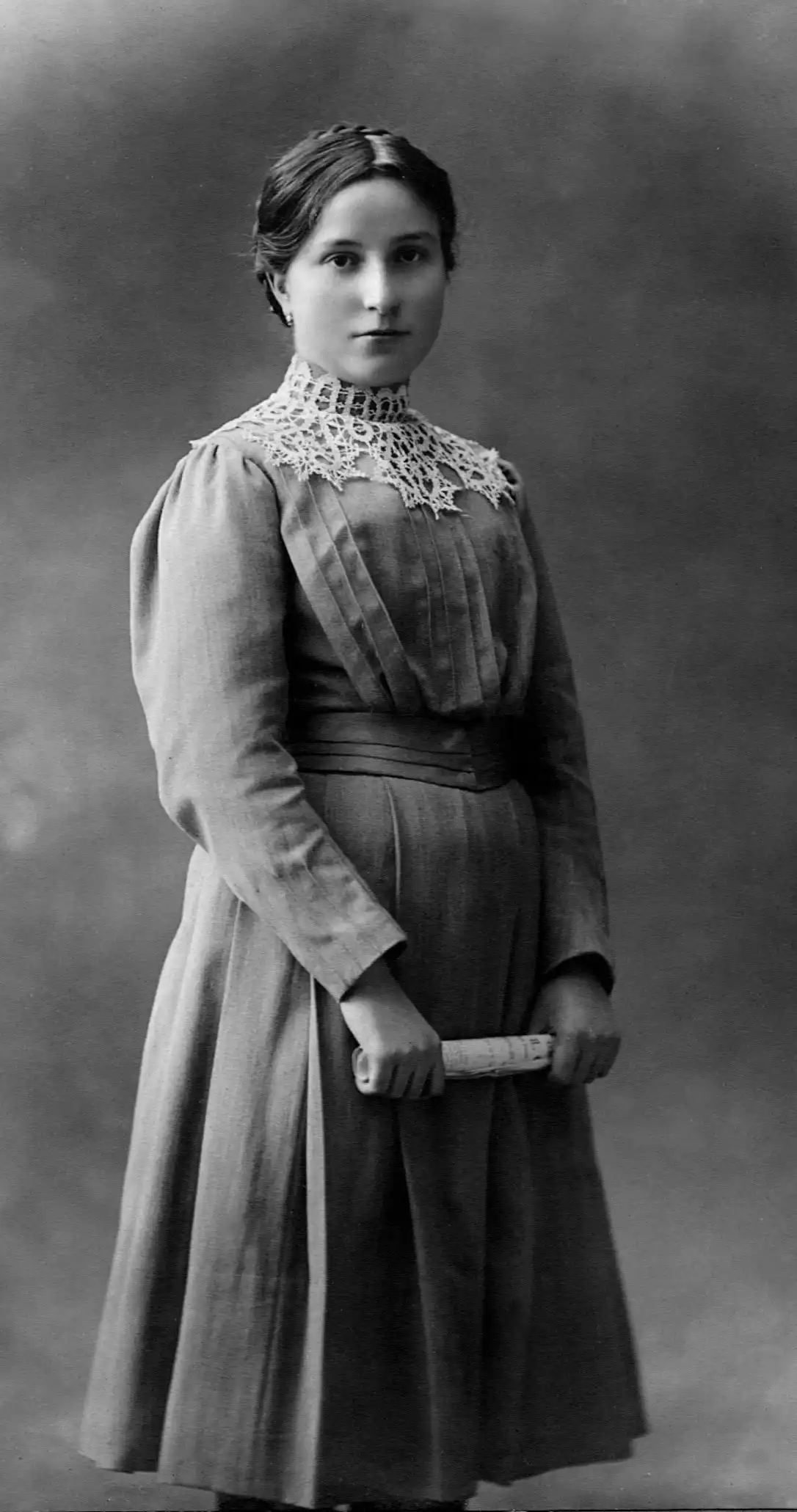
Maria was born in Caserta in 1897, and educated by the Ursulines in Milan from 1901, where she first encountered Jesus in the Passion.
1922-1930, St. Francis of Assisi spoke to her heart, she renounced the world, made a vow of chastity, encountered St. Thérèse of Lisieux, made her Act of Offering to Merciful Love, consecrating herself a slave to Mary, taking vows of chastity, poverty, and obedience, and joining the Franciscan Third Order. On Good Friday, 1930, suffered her first angina attack, later, formally taking the Franciscan habit.
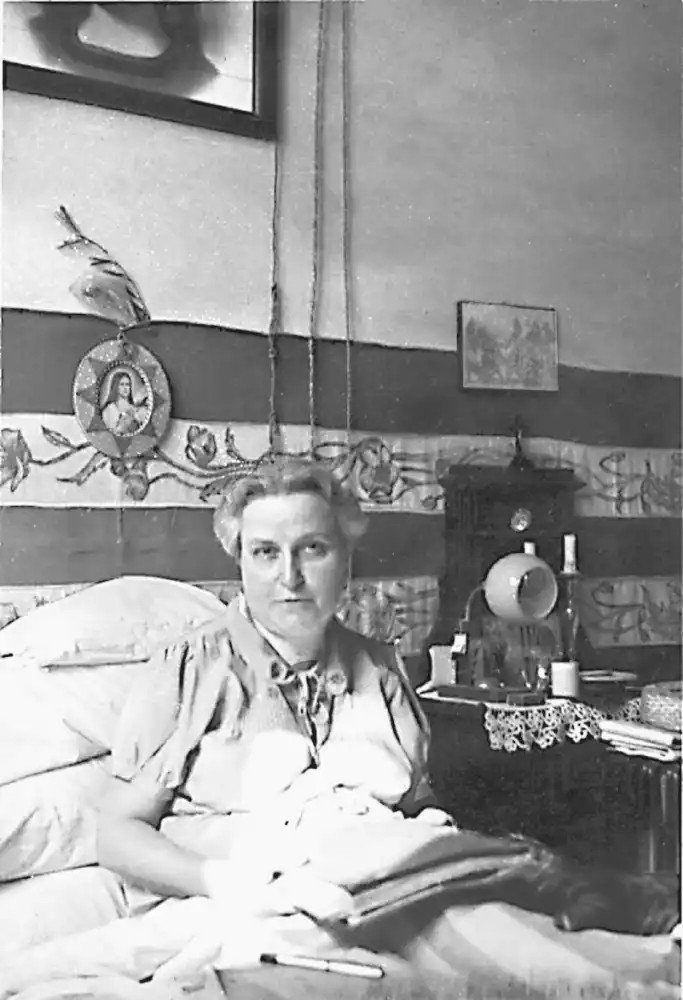
1931-1939, she offered herself, a victim to Divine Justice and Love, becoming permanently bedridden; later, joining the Congregation of the Most Holy Child Mary.
These experiences fueled her desire to love and expiate for Jesus. She tells us that Jesus chose her as His “spokesman”, and subsequently wrote in longhand, 17,000, notebook pages of visions and dictations. After her death, we are bequeathed the “Work” available in many languages.
Most notable was “The Poem of the Man-God,” in five volumes, now renamed, “The Gospel As Revealed To Me,” in ten volumes, a monumental text following Jesus’ life from His Mother’s conception to Her assumption. This writing began during World War II.
Valtorta’s relationship with the Catholic Church was complicated. While her local bishop approved her writings, other religious were indifferent at best. Even today, the Vatican does not officially endorse them, but rather declares them not of supernatural origin, subsequently recommending caution regarding their theological content. Even though Pope Pius XII and other notables recommended their reading.
Scholars (men of the human sciences) note that Valtorta’s psychologically insightful portrayal of Jesus humanizes Him, others argue it deviates from traditional theological perspectives. And discrepancies between her depictions and long-held biblical interpretations have sparked historical accuracy debates.
Despite these controversies, Valtorta’s work has influenced many within Catholicism, though it remains divisive. Her writings are celebrated for their mystical depth but also critiqued for their perceived lack of historical rigor and theological alignment.
About Anonymous
Anonymous contributes to this website to help bring the Gospel to men again, as it was given by Jesus, personally, intimately; today, it’s just by different means. Jesus, the Word, still speaks to souls. For most people, reading 1,000s of pages is too arduous a task. This website provides less daunting access. Read, listen, meditate, even pray. You and Jesus will find each other.
Anonymous
